
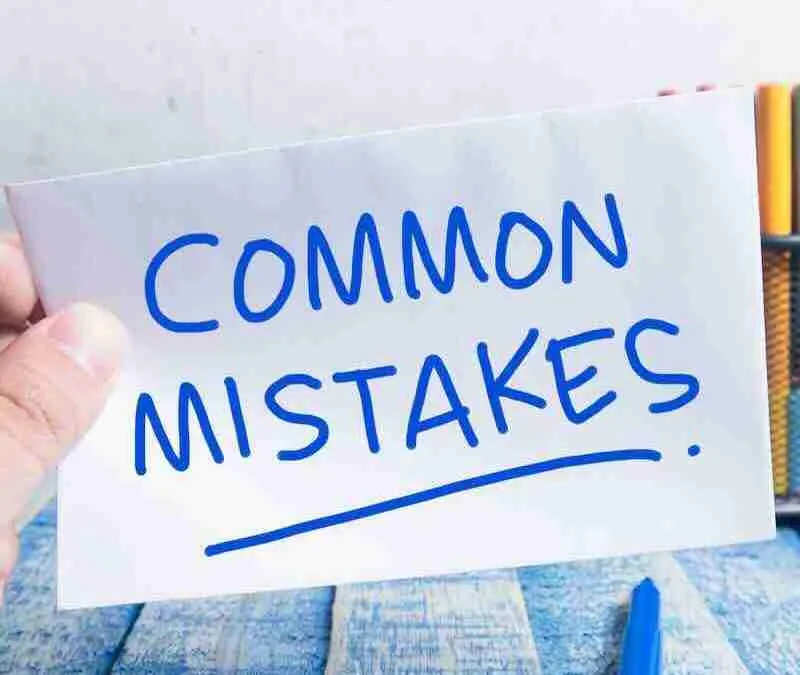
Why Pricing Mistakes Happen More Than You Think
Pricing often feels like guesswork, which is exactly why pricing mistakes happen so easily. You are juggling costs, competition, customer expectations, and your own doubt while trying to choose a number that feels right.
For many creative makers and service providers, pricing becomes one of the hardest and most confusing parts of running a business. Pricing affects everything: income, workload, confidence, and long-term sustainability. The mistakes you make without realizing it can quietly drain your profits.
And these mistakes are more common than most people realize. A recent Forbes article outlines several pricing errors small businesses make, such as confusing discounts with strategy.
Many business owners fall into the same pricing mistakes without realizing it, especially when they start underpricing to attract customers, guessing instead of calculating, or forgetting to update their prices as costs change. These habits slowly erode income month after month.
When I first started (click here to read my story), I believed pricing was simple. I added up my costs, added a little profit, and moved on. Yet no matter how hard I worked, my bank balance never matched my effort. I simply had no idea where all the money was going.
It was only when I faced my numbers honestly that I understood what was holding me back. I was making the classic pricing mistakes that, looking back, I should have seen a mile off.
And because I have coached hundreds of creatives, I can tell you this with confidence. These mistakes are incredibly common and totally fixable.
Why It Happens:
You want to attract customers, boost sales, or keep people happy. Discounting feels like the quickest way to get a yes.
What’s the Cost?
Frequent discounts train customers to expect lower prices. This reduces the perceived value of your work and severely cuts into your profit.
How to Fix It:
Add value instead of reducing prices. You can offer bonuses, bundles, templates, priority access, or exclusive perks that increase perceived value without lowering your actual price.
The Pricing Playbook includes an entire section on bundle pricing if you want to learn how to implement this strategy effectively.
Your Action Step:
Ask yourself: Instead of slashing prices, what added value can you offer to create a win-win for both your business and your customers?
Why Improper Pricing Is More Common Than You Think
For most creative makers and service providers, pricing becomes a tug-of-war between fear, doubt, and the desire to stay competitive. Price too low, and you barely scrape by; price too high, and you fear losing customers.
If I had to name the number one reason behind most pricing mistakes, the answer is fear.
Fear of charging too much.
Fear of losing customers.
Fear of being judged.
Fear of sounding too expensive.
Most of the pricing mistakes I see in coaching sessions come from fear, uncertainty, and the pressure to keep everyone happy at your own expense. It is not just about the numbers. It is about the emotions, doubts, and second-guessing that cloud your judgment and make pricing feel harder than it really is.
All of these challenges have fear at their core. Fear pushes you to charge less than you should, delay price increases, ignore your numbers, and make decisions that undermine your business without you realizing it.
The good news is this: once you understand why these mistakes happen, you can fix them faster than you think.
Common Pricing Mistakes & How to Fix Them

Each mistake below is broken into why it happens, what it costs you, and how to fix it so you can take action immediately and improve your pricing with confidence.
Mistake #1: Underpricing to Attract Customers
Why It Happens
You worry you will chase customers away if your prices are too high. Maybe you are new to the market, surrounded by cheaper competitors, or feel you need to prove yourself before charging more.
What's the Cost?
Underpricing destroys your profit, undervalues your work, and keeps you stuck in overwhelm. It leads to burnout, stress, and resentment instead of growth.
How to Fix It
Price for value, not fear. Consider your experience, your skill, and the transformation your work delivers.
In the book, Pricing Made Simple, I share value-based strategies designed specifically for creative businesses so you can set prices that reflect your true worth.
From personal experience, once you shift to value-based pricing, you earn more and attract customers who genuinely respect your work.
Mistake #2: Overlooking Indirect & Miscellaneous Costs
Why It Happens
You focus on direct costs like materials and labor. You overlook invisible costs such as rent, utilities, supplies, software, repairs, and small tools that constantly need replacing.
What's the Cost?
Your prices will never cover your real expenses. Your margins become thin or disappear entirely.
How to Fix It
Identify every indirect cost and allocate them properly across your products or services. This was my personal turning point.
When I reviewed my finances and identified everything that was draining my account, the picture became clear. I immediately adjusted my pricing to account for these costs, and everything changed.
After correcting this mistake, I tripled my revenue and finally paid myself a salary after 6 months.
If you don't know where to start, Pricing Made Simple has step-by-step formulas that help you calculate indirect and miscellaneous costs with ease, even if numbers are not your strong suit.
Mistake #3: Not Reviewing or Updating Your Prices
Why It Happens
You set your prices once and never revisit them. You fear customers will push back or complain if you increase your rates.
What's the Cost?
Inflation rises. Your costs increase. Your prices stay the same. Your profit shrinks.
How to Fix It
Review your prices at least once a year. Every six months is even better.
Communicate changes with confidence by explaining the value you provide.
Most customers are far more understanding than we expect.
Mistake #4: Guessing Instead of Calculating
Why It Happens
You feel overwhelmed by the numbers or don't know where to start. You choose a price based on instinct, feelings, or conscience instead of a formula.
What's the Cost?
Inconsistent pricing, undercharging, and confusion about your financial goals.
How to Fix It
Use a clear pricing formula that considers costs, indirect expenses, desired profit, and value. Pricing Made Simple breaks everything down step-by-step so you can calculate confidently and accurately every time.
Mistake #5: Offering Too Many Discounts
Why It Happens
You want to attract customers, boost sales, or keep people happy. Discounting feels like the quickest way to get a yes.
What's the Cost?
Frequent discounts train customers to expect lower prices. This reduces the perceived value of your work and severely cuts into your profit.
How to Fix It
Add value instead of reducing prices. You can offer bonuses, bundles, templates, priority access, or exclusive perks that increase perceived value without lowering your actual price.
Pricing Made Simple includes an entire section on bundle pricing if you want to learn how to implement this strategy effectively.
So ask yourself this question. Instead of discounting, "what added value can I offer that creates a win-win for both my customer and my business"?
Conclusion: Take Control of Your Pricing Today
Pricing mistakes are not just numbers on a spreadsheet. They determine whether your business thrives or struggles. Once you understand the pricing mistakes holding your business back, you can make small, strategic changes that immediately increase clarity, confidence, and profit.
You do not have to figure this out alone. My book, Pricing Made Simple, is filled with formulas, examples, and practical strategies that help you avoid these mistakes and price with confidence.
Ready to Stop the Pricing Mistakes Holding Back Your Creative Business?
Take control of your pricing and start turning your hard work into real, sustainable profit.
About T.Williams
Hi, I'm T. Williams, your Creative Profit Guide, and I love creating structure from creative overwhelm. I am a Pricing and Profit Strategist who helps creative makers and service providers eliminate pricing headaches, price confidently, and earn more without working more hours. Connect with me on social media at @creativeprofitguide
Recent Articles:
How Do I Know If a Client Is Profitable?
Your biggest client is not always your best one. Here is how to check what each client actually leaves behind once revisions, waiting, late payment and your own hours are counted.
Day Rate or Project Fee: Which Protects Profit Better?
A fixed fee is only fixed for the client. Here is how to tell whether a day rate or a project fee protects your profit, and the day a fixed fee stops paying for the work.
How Do I Know If a Project Made Money?
A paid invoice proves the client paid but doesn’t prove the project made money. Here is what the usual checks miss, and where a fully paid project quietly bleeds cash.
